
Tag: Sudan
-

Eritrea – State of the Nation
INTRODUCTION (1) Between December 2018 and May 2019, a diverse group of Eritrean professionals met in Nairobi, Kenya and online to evaluate developments since the rapprochement between Eritrea and Ethiopia (“ERITREAN THOUGHT LEADERS ON THE PRESENT DYNAMICS IN THE HORN OF AFRICA”). While we welcome the Eritrea-Ethiopia peace process and appreciate the Ethiopian leadership for…
-

The End of The Shitara Code
Of late, the government of President Isaias Afwerki has been issuing a series of Red Sea Doctrine papers. These are supposed to outline the government’s assessment of how Eritrea, other Red Sea states and their neighbors can optimize its use to maximize trade and security while maintaining paramount autonomy and sovereignty. “Surely,” will say some…
-
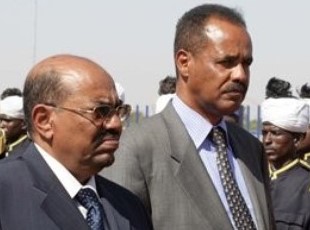
Sudan: Another Strike for Self-Inflicted Deafness
…when self-reliance is no more than a call for no witnesses When Sudan’s Islamist party assumed power, it had a message of “self reliance” and a catchy slogan: na’kul min ma nazra’e: nalbas min ma nasnaE. We shall eat what we sow; we shall wear what we manufacture. That was in 1989, thirty years ago.…
-
Part 2 of 2: 2018: A Year of Dazzling Reforms & Stifling Standstill
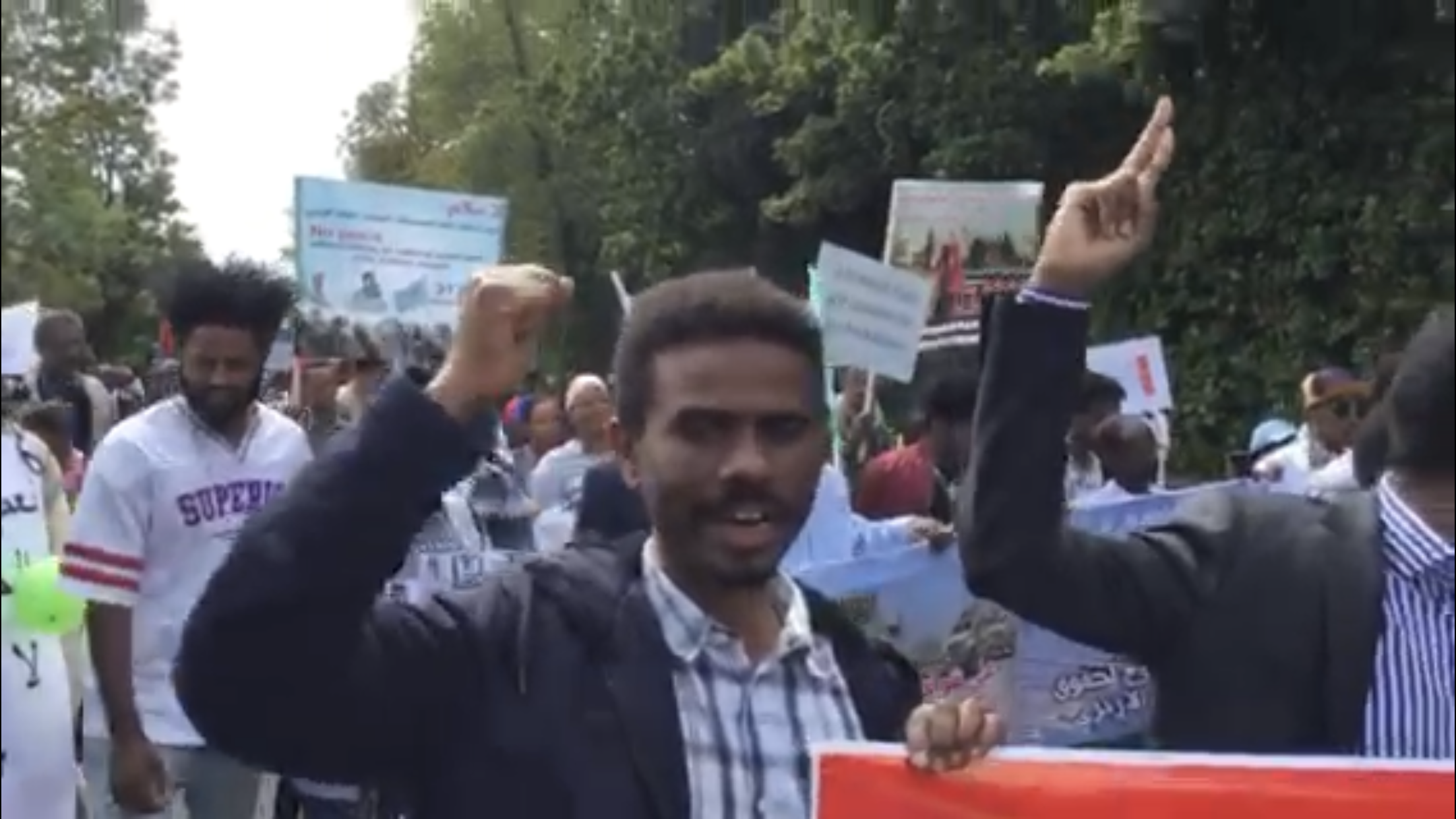
For Part 1, items 1-65 of this 2018 retrospective, please refer here: 66. Gender Equality, Ethiopian Edition, BAA (Before Abiy Ahmed): Before PM Abiy rammed-through his gender-equality reform in Ethiopia over the heads of the stodgy EPRDF, Ethiopian economists (all 5 men) met with Chinese economists (4 women, 1 man.) 67: Eritrea’s Endorsement of Russian…
-

Dr. Newitol Is Here To Add To Your Confusion: (21-30)
21. Curious from Hmeret Kelboy asks, ” why did Eritrea and Ethiopia sign their peace agreements 3 times? Dr. Newitol: One for the money, two for the show, three to get ready, now, go, cat, go. The one signed in Eritrea was for the money (from UAE to Ethiopia.) The one signed in Abu-Dhabi was…
-

Game Over. Play Again? Game Over. Play Again?
The following was written in reply to an article at awate.com, “The Game Is Over”, by Ismael Ibrahim Mukhtar, where he quotes Isaias Afwerki’s “Game Is Over” and argues that the games that have to be over are games of domination, game of justifying the unjustifiable, and game of “I win, you lose.” All are…
-

Like a Pinball, Eritrea’s Foreign Policy Bounces All Over
March 2011: Following the emergence of the Arab Spring, Mr. Mohammed Juma “Abu Rashid”, is interviewed by London-based Al-Hiwar TV. The Eritrea activist tells factual developments in Eritrea since independence and, among other things, says that part of the reason that the cause of the exiled Eritrean opposition is not amplified by Gulf Arab states…
-
The Hood – Spring Edition
KENYA’S Daily Nation has the backgrounder which preceded the reconciliation between Kenyan President Uhuru and opposition leader Raila Odinga. It includes (1) elders of the the tribes the two politicians belong to (Kikuyu and Luo); (2) US ambassador Robert Godec; (3) Odinga’s decision to hold a swearing-in ceremony in defiance of Uhuru; (4) Retired Major…
-
The Story Behind The Sudan-Eritrea Falling Out
The feud between Eritrea and Sudan has been attributed to many causes and none–by those who maintain that there is no feud. Some have claimed that it is due to Eritrea’s decision to align its foreign policy closer with Egypt even as the latter’s relationship with Sudan was deteriorating. Others have claimed that Sudan’s decision…
-

The Grand Dam, National Sovereignty and Hydro-politics
The building of the Grand Ethiopian Renaissance Dam (GERD) on the Blue Nile by a major Italian construction company, in a contract with Ethiopia, remains a source of great tension between Ethiopia and Egypt. Began in 2011, the grand dam is due for completion in the middle of this year. The dam will hold a…
-
Eritrea This Week – 20160605
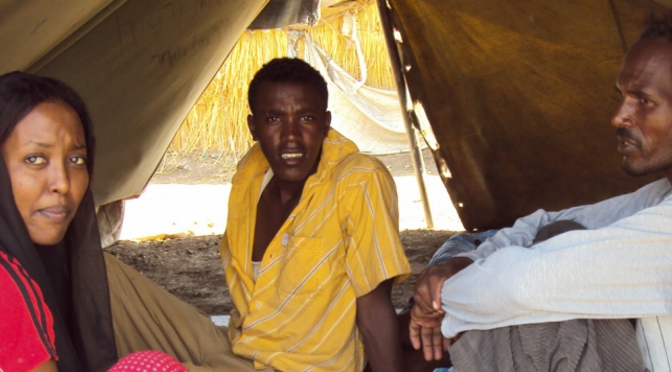
[spider_facebook id=”4″]There is a certain pattern to reports of overcrowded boats sinking in the Mediterranean: (1) Eritreans hear the news and beg God, “please don’t tell me they were Eritreans”; (2) Western journalists report that, indeed, many or most were Eritreans; (3) Assenna.com, an Eritrean website, interviews survivors or witnesses; (4) Supporters of the Government…